
Case Study: EMC Food Delivery App in Digital Control
How a Food Delivery App Empowered Restaurants With Digital Control
As a result, the restaurant achieved a 34% increase in direct orders, 27% improvement in operational efficiency, and significantly better control over customer data and brand experience. The solution helped the business transition from platform dependency to a scalable, owned digital ecosystem.
About the Client
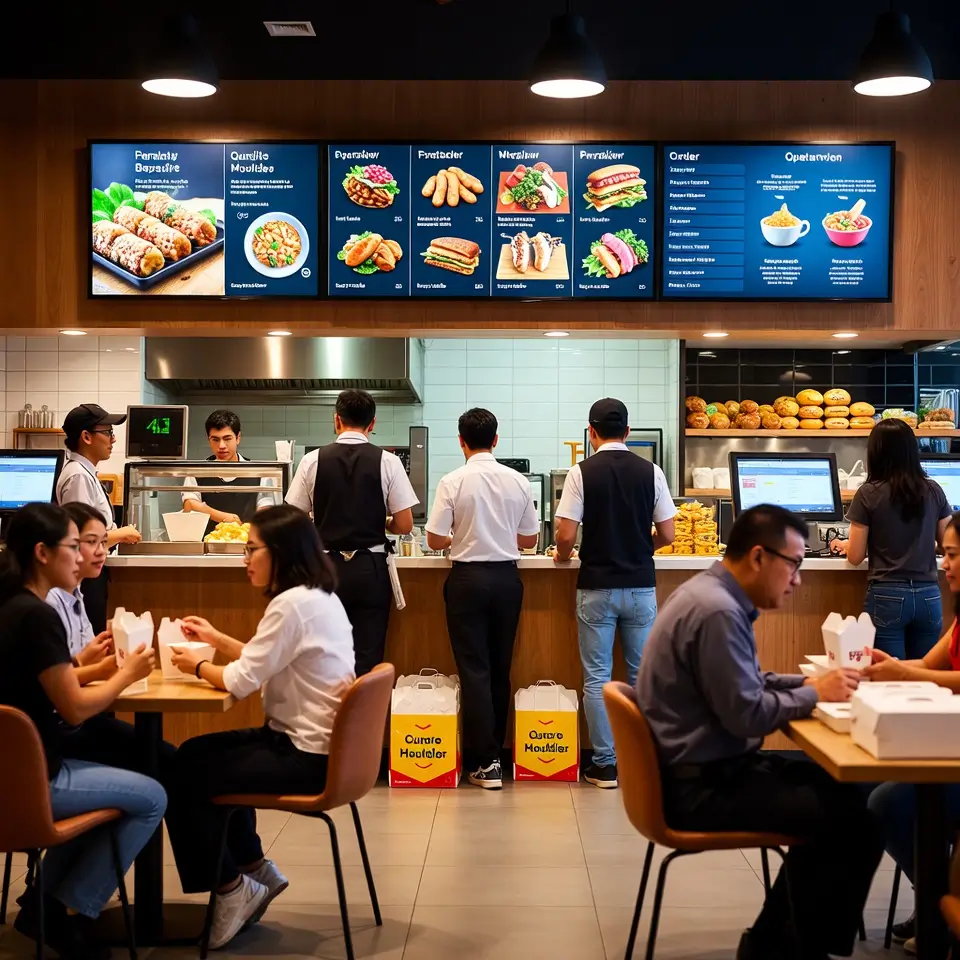
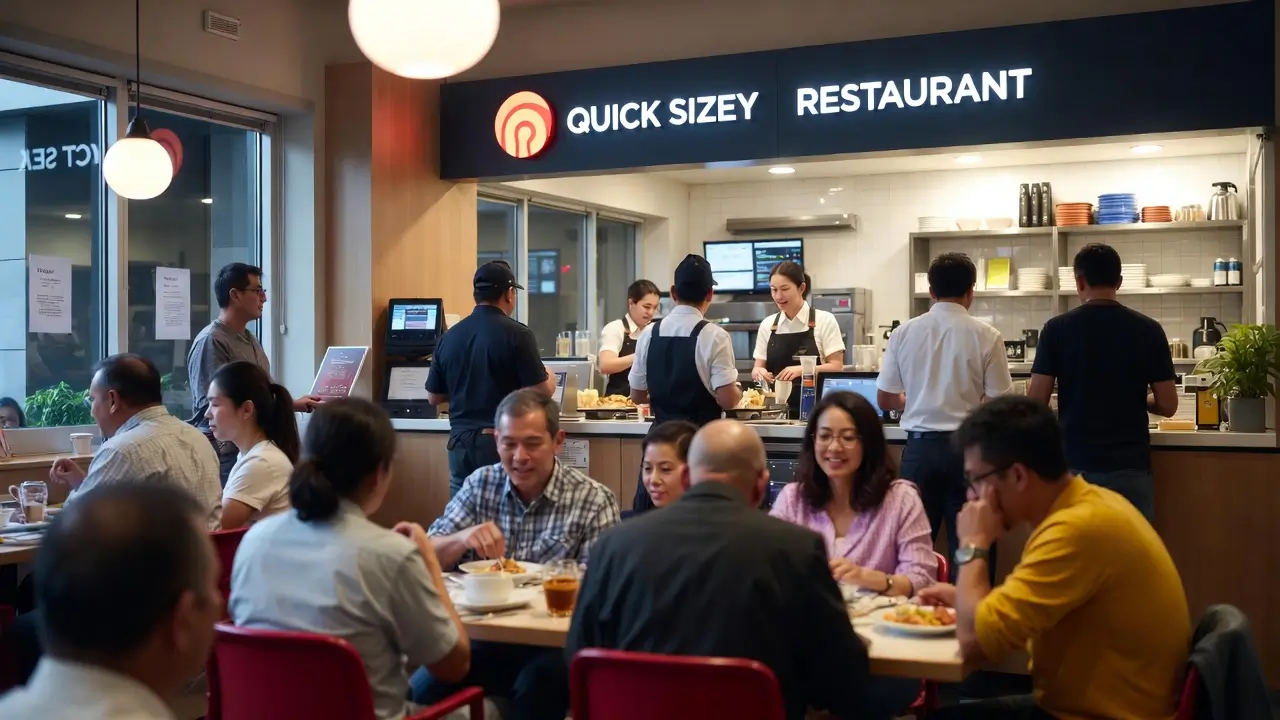
As an SME, the restaurant was in an expansion phase and required a digital solution that could support growth without increasing operational complexity. Their business model emphasized direct customer relationships, repeat orders, and consistent brand experience across all locations.
Business Challenges
- Heavy reliance on third-party food platforms, leading to high commission costs
- Limited control over branding, offers, and customer communication
- Manual and fragmented order management, especially during peak hours
- No centralized system for managing menus, pricing, and availability
- Lack of customer data ownership for loyalty and remarketing
- Difficulty scaling operations across multiple outlets
These challenges reduced profit margins, restricted customer engagement opportunities, and made it harder for the restaurant to differentiate itself in a competitive market.
Goals & Objectives
The restaurant set clear goals to improve digital maturity and operational efficiency through a dedicated mobile application.
Primary objectives included:
- Increase direct digital orders through owned channels
- Reduce dependency on third-party aggregators
- Centralize restaurant operations and order management
- Gain access to customer data for retention and marketing
- Enable scalable growth across outlets
Long-term goals included building customer loyalty, improving brand recall, and establishing a future-ready digital foundation.
Want the full story?
We just need a few details first and you’ll get unlimited access to all case studies.
Solution Overview
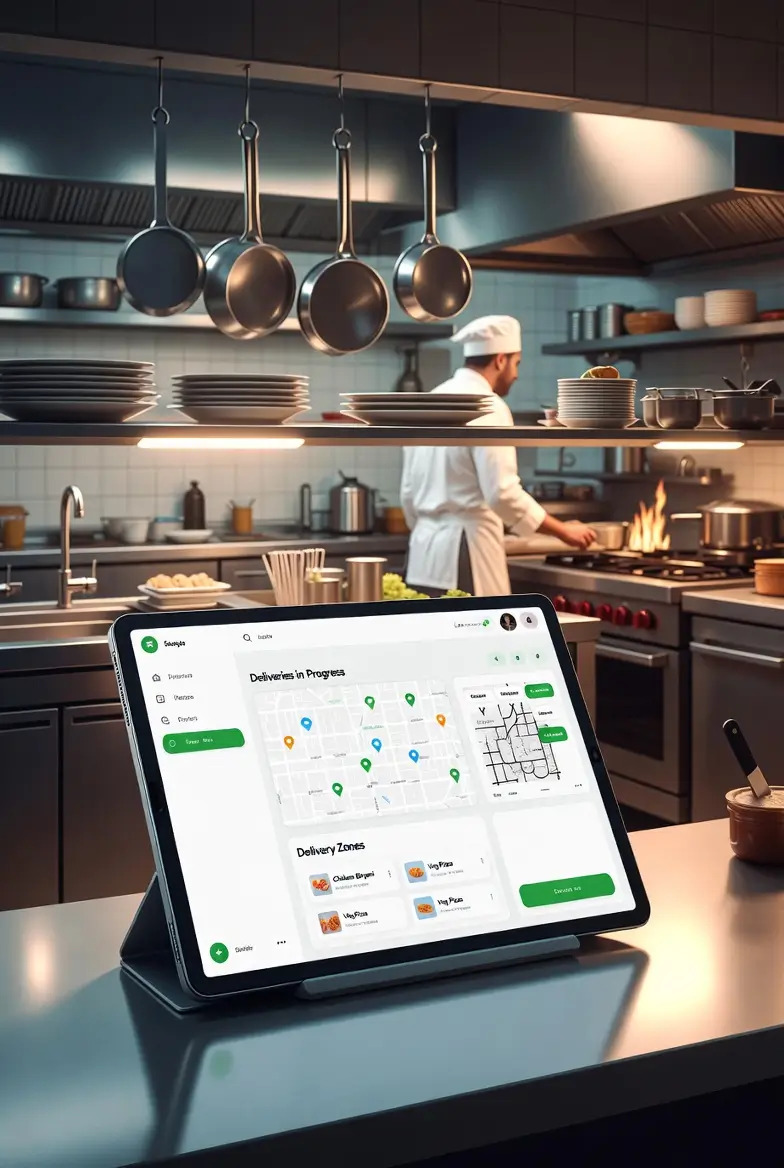
Elite mCommerce delivered a custom food delivery app development solution designed specifically around restaurant operations rather than delivery logistics. The platform provided a branded mobile app for customers and a powerful admin system for restaurant staff.
The solution allowed restaurants to manage menus, pricing, offers, availability, and orders in real-time. Customers could browse menus, place orders, and receive updates through a smooth mobile experience—fully owned by the restaurant brand.
Implementation / Approach
The project began with an in-depth analysis of the restaurant’s operational workflow, peak order patterns, and business goals. User journeys were defined for restaurant admins, kitchen staff, and customers to ensure efficiency at every stage.
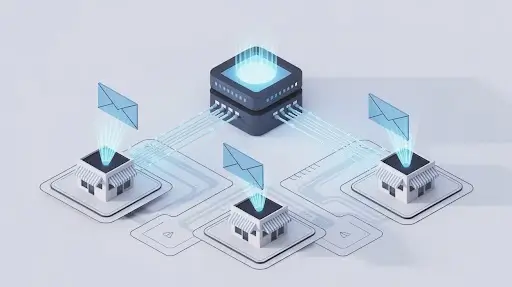
The UI/UX was designed to reflect the restaurant’s branding while keeping ordering fast and intuitive. The backend architecture was built to support multiple outlets, centralized management, and future feature expansion.
The development phase focused on:
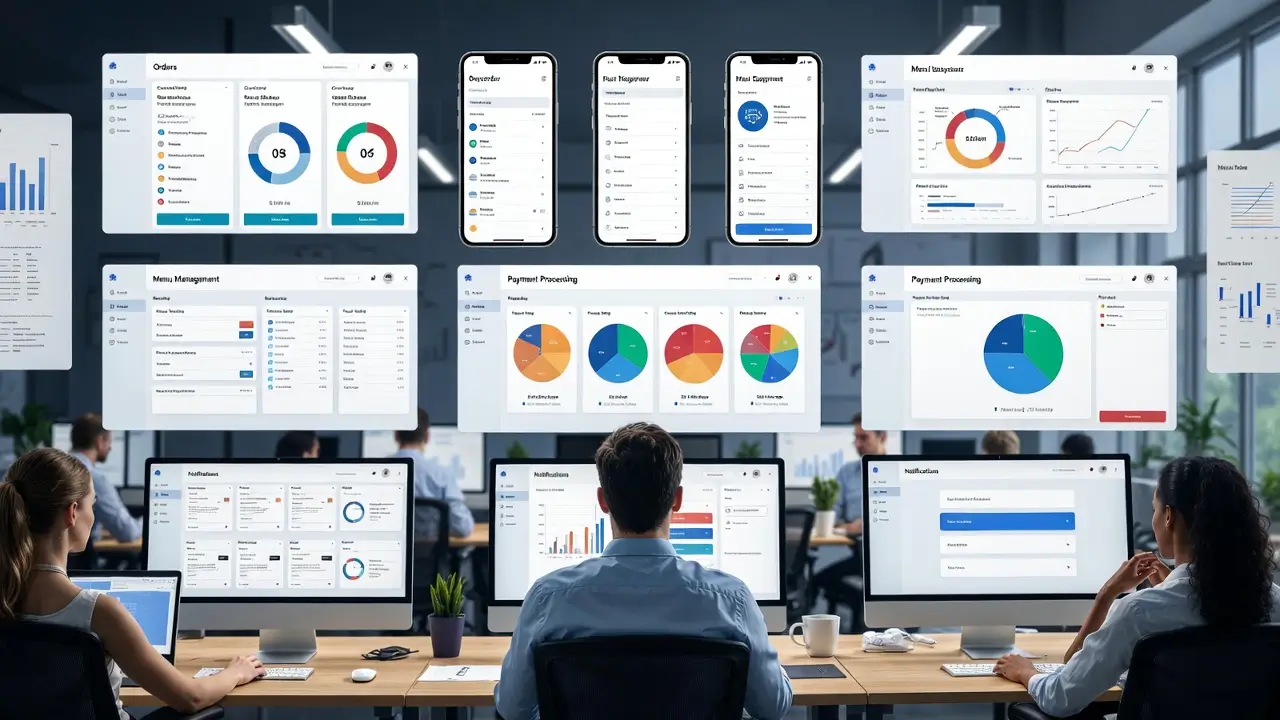
- Customer-facing mobile apps
- Centralized restaurant admin dashboard
- Menu and order management systems
- Secure digital payment processing
- Notification and communication modules
The modular design ensured that new features or outlets could be added without disrupting existing operations.

The solution underwent rigorous functional and performance testing, particularly for high-order-volume scenarios. A phased rollout ensured smooth adoption by restaurant staff.
- 30% reduction in manual order handling
- Faster menu updates and pricing changes
Key Features / Deliverables
- Branded restaurant mobile app (Android & iOS)
- Centralized menu and pricing management
- Real-time order management dashboard
- Customer order history and reordering
- Secure online payment integration
- Push notifications for offers and updates
- Multi-outlet support with centralized control
- Analytics and order insights for decision-making
Technology / Tools Used
- Flutter for cross-platform mobile development
- PHP-based backend services
- REST APIs for system integrations
- Firebase for notifications and real-time updates
- Secure third-party payment gateways
Results & Business Impact
1. Operational Impact
- 27% improvement in restaurant operational efficiency
- 35% reduction in order processing time
- Centralized control across multiple outlets
- Reduced dependency on manual coordination
2. Revenue & Growth Impact
- 34% increase in direct digital orders
- 22% reduction in commission-related costs
- Higher repeat order rates via owned customer channels
- Improved profit margins through direct sales
3. Customer Impact
- 30% increase in customer engagement
- Stronger brand visibility through a dedicated app
- Better customer retention using offers and notifications
- Ownership of customer data for future marketing initiatives
Visual Proof
- Restaurant admin dashboard screenshots
- Customer mobile app ordering flow
- Menu and order analytics views
- Before/after operational workflow comparison

Key Takeaways
This case study highlights how a restaurant-focused food delivery app can drive digital transformation beyond logistics. By owning the customer experience, data, and ordering platform, the restaurant gained greater operational control, improved profitability, and long-term scalability.